When looking for a company that runs Google Ads, you are not simply searching for an agency to build an ad and start spending your budget.

Instead, you are looking for a strategic partner to help you reach the right audience, achieve measurable results, and scale your digital presence in alignment with your business objectives.
This is where Devora comes in—as a trusted choice for businesses seeking to refine their digital strategy and leverage paid advertising and online marketing in a structured, result-driven manner.
Managing Google Ads effectively requires understanding audience behavior, selecting search terms with high purchase intent, drafting compelling ad messaging, and continuously auditing campaign performance.
Success does not depend solely on budget size; it is fundamentally driven by strategic planning and how closely the ad matches customer needs.
When evaluating any advertising agency, it is essential to look at their workflow, clarity of goals, and performance measurement mechanisms rather than relying solely on marketing promises.
Additionally, partnering with a digital marketing agency that possesses a holistic vision enables you to seamlessly connect your ad campaigns with your broader social media management strategies.
Partnering with a reliable A Company That Runs Google Ads ensures that your campaigns are structured efficiently to maximize ROI and target high-intent searchers.
Why Do You Need a Company That Runs Google Ads?
Reaching customers at the precise moment they are searching for a solution has become a critical growth factor for modern businesses.

When users search for a product or service, they are actively looking for information to make an informed purchasing decision.
This highlights the power of Google Ads, which enables businesses to appear directly in front of an intent-driven audience.
However, simply launching a Google ad does not guarantee conversions.
A successful campaign requires defining the right demographics, targeting high-intent keywords, crafting clear messaging, and directing traffic to an optimized landing page that drives action.
Working with a specialized agency like Devora helps organize these elements within a clear and actionable marketing plan.
Key Benefits of Strategic Google Advertising:
- Boosting Brand Awareness: Increasing visibility among potential buyers.
- Targeted Product/Service Promotion: Highlighting specific offerings during key sales periods.
- A/B Testing & Insights: Identifying the keywords and ad copy that yield the highest engagement.
Results vary based on industry nature, market competition, landing page quality, offer strength, budget, and ad relevance.
Therefore, it is crucial to establish realistic KPIs and review performance regularly rather than expecting guaranteed short-term outcomes.
Professional Google Ads Management
Professional Google Ads management begins with a deep dive into the business before launching any campaigns.

Crafting a successful ad requires understanding what the company offers, who its ideal customers are, and what differentiates its services from market alternatives.
This data guides goal setting, keyword selection, and ad copy creation aligned with search intent.
Campaign Management Stages:
- Business Analysis: Studying the company’s offerings, target market, and competitors.
- Audience & Geographic Targeting: Identifying ideal customer demographics and service areas.
- Keyword Research: Selecting relevant high-intent search terms.
- Ad Group Organization: Structuring keywords into well-defined, themed ad groups.
| Phase | Required Action | Objective |
|---|---|---|
| Business Study | Understand services, audience, and market competition | Build a tailored marketing plan |
| Keyword Selection | Identify high-relevance search terms | Target the right audience |
| Ad Creation | Draft compelling headlines and clear ad copy | Drive audience engagement |
| Landing Page Prep | Align the ad with a high-converting landing page | Facilitate inquiries or sales |
| Campaign Launch | Configure settings, targeting, and budget allocation | Initiate targeted market reach |
| Performance Analysis | Audit key metrics and conversion tracking | Identify real business value |
| Campaign Optimization | Refine low-performing elements | Maximize return on ad spend (ROAS) |
Following these structured phases transforms Google Ads management into a continuous optimization process rather than a one-time setup.
Google Campaigns
Google advertising options differ based on campaign goals, business nature, and target audience.

Some businesses need to capture immediate demand from users actively searching for specific services, while others focus on visual product showcases or building brand awareness.
Choosing the right campaign type must always align with measurable key performance indicators (KPIs).
| Campaign Type | Primary Objective | Use Case Example |
|---|---|---|
| Search Campaigns | Reaching users actively searching for specific solutions | Maintenance & repair service companies |
| Display Campaigns | Expanding broad market visibility and awareness | New brands launching in the market |
| Shopping Campaigns | Showcasing visual products and prices to shoppers | E-commerce platforms |
| Remarketing Campaigns | Re-engaging past site visitors to drive conversion | Prospects who viewed products without buying |
Pro Tip: Before launching any Google campaign, clearly define the primary action you want users to take—whether calling your team, submitting a lead form, purchasing a product, or booking a consultation.
What Distinguishes a Successful Advertising Agency?
When searching for a successful advertising agency, price should never be the sole decision factor.

Service cost alone does not reflect planning quality, level of oversight, or strategy alignment with your commercial goals.
Look for a partner who clearly explains their methodology, defines account responsibilities, and outlines the metrics used to evaluate success.
Partner Selection Checklist:
- Deeply understands your business model before proposing solutions.
- Defines clear, measurable KPIs.
- Outlines transparent budget allocation.
- Prioritizes high-intent keyword quality over sheer click volume.
| Comparison Factor | Unorganized Ad Management | Strategic Ad Management |
|---|---|---|
| Primary Goal | Running ads without clear objectives | Defining measurable business KPIs |
| Keywords | Targeting broad, generic search terms | Selecting intent-driven search terms |
| Budget Management | Spending without structured monitoring | Allocating budget based on performance data |
| Ad Copy | Generic messages lacking value propositions | Compelling copy highlighting core benefits |
| Landing Page | Directing users to irrelevant pages | Directing users to context-matched content |
This comparison framework provides an objective model for evaluating marketing partners before entering into a collaboration.
Full-Service Digital Marketing Agency
Digital marketing extends beyond paid advertising.
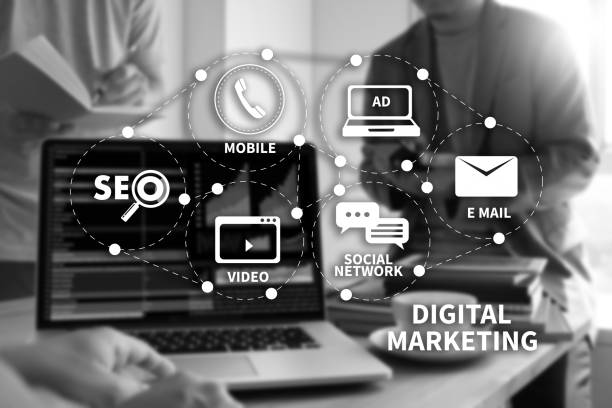
It encompasses a full spectrum of activities that help businesses attract target audiences, deliver valuable content, establish brand trust, and improve conversion rates.
While paid ads offer rapid visibility for immediate search queries, businesses simultaneously require clear content, an optimized website, and an active social media presence to support the end-to-end customer journey.
Partnering with a full-service digital marketing agency ensures all promotional efforts are synchronized toward a unified business goal.
Core Digital Marketing Pillars:
- Paid Advertising: For immediate targeted audience reach.
- Content Marketing: To educate users and answer customer queries.
- Website Usability (UX): To streamline navigation and conversion paths.
- Social Media Marketing: To nurture ongoing community engagement.
If you want to scale your search advertising efforts, working alongside a specialized Google Ads Agency will help refine your bidding strategies and lower customer acquisition costs.
The Role of Social Media Management Agencies
Social media management companies play an important role in organizing brand presence across platforms through content strategy, publishing, community management, and audience interaction.

Although search engine advertising and social media management serve different functions, integrating both channels creates a cohesive digital footprint.
Google Ads vs. Social Media Management
| Comparison Point | Google Ads | Social Media Management |
|---|---|---|
| Targeting Method | Reaching users actively searching for solutions | Engaging users through content and interaction |
| Primary Objective | Driving immediate traffic, leads, and sales | Building brand awareness and community trust |
| Content Nature | Goal-oriented ad messaging and landing pages | Diverse, platform-tailored social posts |
Not every business needs to invest heavily across all channels simultaneously. Prioritizing channels based on target demographics, available budget, and commercial goals is the key to sustainable growth.
Market Insights & High-Intent Search Volume
Google data shows that its search engine processes over 5 trillion searches annually.
This underscores the vast opportunities available when users search for solutions online.
However, high search volume alone does not translate to guaranteed sales, nor do ads alone ensure commercial success.
Businesses must approach this opportunity with a clear strategy—starting with audience understanding and ending with conversion tracking.
Capitalizing on Search Intent:
- Select search terms that reflect genuine customer needs.
- Analyze search intent before drafting ad copy.
- Present a clear, high-value offer on landing pages.
A prospective customer might discover your business through a Google Search ad and then check your social media channels to gauge credibility before reaching out.
Choosing Devora to power your digital growth starts with assessing your needs, defining strategic goals, and establishing a clear framework for measuring progress.
Frequently Asked Questions (FAQ)
How do I choose a company that runs Google Ads?
Define your commercial objectives first. Then select an agency that provides a transparent workflow, keyword strategy, budget allocation model, and reporting framework.
Is Google Ads management suitable for small businesses?
Yes, Google Ads is highly effective for small businesses when targets, budgets, and audience parameters are precisely defined and continuously optimized based on performance data.
What is the difference between Google Ads and Organic SEO?
Paid Google campaigns deliver immediate ad placement based on bidding and campaign settings. Organic visibility (SEO) depends on content relevance, website structure, and user experience built over time.
Do I need a full digital marketing agency or just ad management?
It depends on your current needs. If your immediate objective is running and scaling search ads, specialized ad management is sufficient. If you need website optimization, content strategy, and brand building, a broader agency approach is recommended.
Can I combine Google Ads with social media management?
Yes, combining both channels aligns your sales funnel—using search ads for high-intent lead generation while nurturing trust through social media content.
Partnering with a company that runs Google Ads is a crucial step in building a high-performing digital footprint.
With Devora, you can plan clear campaigns, align marketing efforts with commercial goals, and connect with qualified leads to grow your business sustainably.
While pay-per-click ads attract immediate search traffic, collaborating with top Social Media Management Companies reinforces your brand credibility and nurtures long-term audience relationships.
